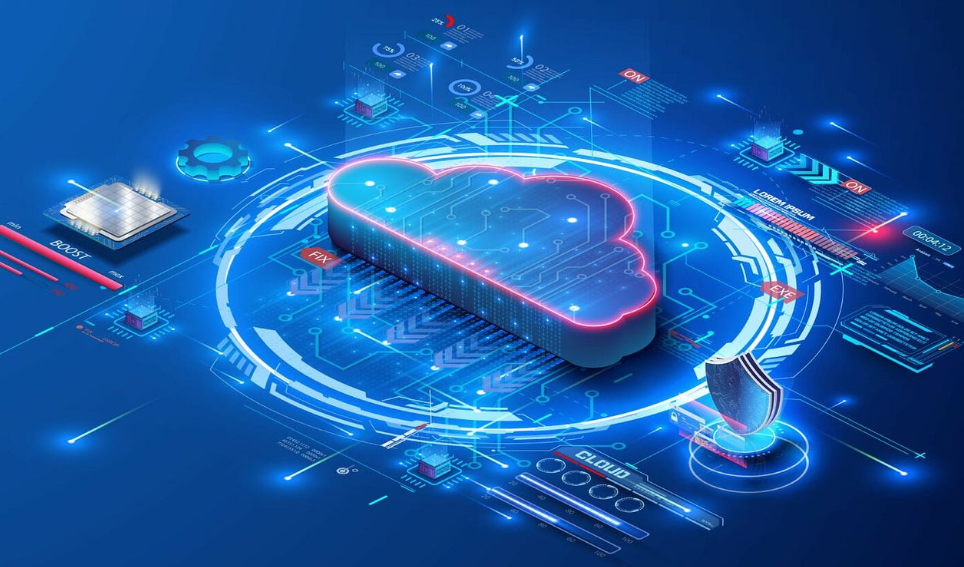
Decentralized cloud computing distributes compute, storage, and networking across independent nodes rather than a single provider. It prioritizes scalability, resilience, and autonomy through collaborative governance and verifiable consensus. The system reduces single points of failure and enables edge orchestration via distributed ledgers and cryptographic proofs. Complexity arises from coordination, security, and trust management. As organizations weigh trade-offs, the approach promises new possibilities and challenges that merit careful consideration.
What Is Decentralized Cloud Computing? A Foundational Overview
Decentralized cloud computing refers to a distributed network model where computing resources—processors, storage, and networking—are contributed by independent nodes rather than centralized data centers. It emphasizes scalability, resilience, and autonomy, enabling flexible growth and fault tolerance.
Within this framework, decentralized data flows empower participants to share capacity, while peer governance ensures collaborative decision making, transparency, and secure collaboration across the network.
How It Differs From Traditional Cloud Services
Traditional cloud services rely on centralized data centers controlled by a single provider, delivering compute, storage, and networking from fixed locations.
Decentralized cloud diverges by distributing resources across many nodes, enabling autonomous operation.
It emphasizes scalability, resilience, and freedom through decentralized governance and edge orchestration, reducing single points of failure and empowering participants to contribute and control workloads with transparent collaboration and resilient fault tolerance.
Core Technologies Behind Decentralized Cloud
Core technologies underpinning decentralized cloud combine distributed ledgers, peer-to-peer networking, and verifiable computing to enable scalable, autonomous operation. They enable resilient data sharing and trustless coordination through decentralized storage and cryptographic proofs, reducing single points of failure.
Peer governance informs upgrades and policy, while transparent consensus sustains autonomy, adaptability, and freedom for participants within a scalable, self-regulating infrastructure.
Benefits, Challenges, and Real-World Use Cases
The shift from core technologies to practical outcomes highlights how decentralized cloud computing affects stakeholders through tangible benefits, persistent challenges, and real-world deployments. It emphasizes scalability, resilience, and autonomy in distributed storage and edge computing, enabling freer data control, reduced single points of failure, and localized processing. Adoption implies ongoing governance, interoperability, and clear risk management for sustainable, user-empowered cloud ecosystems.
Frequently Asked Questions
What About Data Ownership in Decentralized Clouds?
Data ownership in decentralized clouds hinges on user-controlled keys and verifiable provenance, ensuring governance models emphasize autonomy and consent. Trust scales through transparent protocols, auditable access, and plural governance, enabling freedom while preserving security, privacy, and resilient, scalable collaboration.
How Is Trust Established Without Central Authorities?
Trust models in decentralized cloud establish legitimacy through cryptographic proofs, distributed consensus, and reputational metrics. Data sovereignty remains core as nodes preserve autonomy; scalability and resilience emerge from federation, while freedom-seeking users rely on transparent governance and autonomous operation.
What Are the Latency Implications for Global Access?
Like a compass finding north, latency implications for global access vary. The system addresses latency variability with edge caching concepts, promoting scalability, resilience, and autonomy for a freedom-seeking audience.
How Are Incentives and Tokens Used for Participation?
Incentive structures drive participation, with token economics rewarding contribution while balancing latency optimization and data sovereignty. Trust mechanisms ensure integrity; scalable governance supports autonomy, resilience, and regulatory compliance, enabling distributed nodes to operate freely within compliant, accountable networks.
What Are Regulatory and Compliance Considerations for Users?
Anachronism: a knight in ironclad armor audits servers in a digital marketplace. Regulatory and compliance considerations for users involve data sovereignty and data localization, obligations, cross-border transfer rules, auditability, and adherence to varied jurisdictional privacy and security standards.
Conclusion
Decentralized cloud computing quietly broadens the horizon of resource sharing, offering scalable, resilient options without overreliance on a single powerhouse. By weaving together independent nodes, it nudges conventional limits toward greater autonomy and fault tolerance, while maintaining governance through transparent, collaborative means. In practice, these networks optimize performance and reliability, even as participants navigate trade-offs. The result is a more flexible, self-driving infrastructure landscape—subtly shifts toward efficiency and trust, with steady, sustainable growth in reach and capability.